Technical website optimization with clear priorities

Technical SEO Services Make your website easier to crawl, understand and use

A strong technical SEO foundation helps search engines access your content and interpret the right pages. I review crawling, indexing, site architecture, performance, canonical tags and structured data to identify barriers, prioritize fixes and support the pages that matter to your business.

Crawling and indexing Site architecture and performance Validation after implementation
Technical SEO website review
Clearer crawl paths Help search engines discover priority pages
Evidence-led analysis Indexing, performance and technical issues
+250 Search visibility reviews and analyses
+80 Digital projects optimized or supported
+13 Markets and industries served
20,000+ Search queries with organic visibility
What could be holding your website back?

Find the technical barriers affecting your most important pages

When pages are missing from search or lose visibility, I investigate how they are discovered, crawled and processed. The review separates technical access problems from content and relevance issues, so the response addresses the likely cause.

Search engines struggle to reach important pages

Robots.txt rules, weak internal links, server errors, redirect chains and deep navigation can make important URLs harder to access. I trace the paths to affected pages and identify what needs attention.

Pages are crawled but remain outside the index

A successful crawl does not guarantee indexing. I review noindex directives, canonical signals, duplicate pages and response codes, alongside the value and distinct purpose of the content.

Different configurations send conflicting signals

URL parameters, alternative versions, inconsistent canonical tags and redirects can make the preferred page unclear. I compare these signals with internal links and sitemap entries to identify conflicts.

Technical SEO audits and optimization

What your technical SEO review can cover

The scope depends on your platform, website size and current issues. I identify which findings affect priority pages and agree on the work required, including fixes I can implement and changes that need your development team's support.

01

Technical SEO audit

I assess the website's technical foundations, document relevant issues and explain their likely consequences, affected pages and recommended next steps.

Discuss a technical audit
02

Crawlability and indexability

I review how search engines can discover and access pages, inspect responses and indexing directives, and compare the findings with available Search Console data.

See the process
03

Robots.txt and XML sitemaps

I check crawl rules and sitemap contents for blocked resources, unnecessary URLs and inconsistencies that could interfere with the discovery of priority pages.

Review crawl access
04

Canonical tags and duplicate URLs

I examine similar pages, parameters and canonical signals to identify inconsistent preferred versions and opportunities to consolidate duplicate URLs appropriately.

See the audit scope
05

Site architecture and internal linking

I review navigation depth, page hierarchy, orphan pages and internal links to help visitors and search engines reach useful content through logical paths.

Discuss site architecture
06

Website performance and Core Web Vitals

I examine loading, responsiveness and visual stability, using available field data alongside diagnostic tests to identify issues with images, scripts, styles and server responses.

Review website performance
07

Redirects and HTTP status codes

I identify broken internal links, redirect chains, server errors and incorrect status responses, then assess which ones affect navigation or important search landing pages.

Investigate technical errors
08

Structured data review

I review relevant structured data for accuracy, implementation and consistency with visible content. Markup should describe the page correctly and meet applicable requirements for supported search features.

Review structured data
09

Ongoing technical SEO monitoring

I check important signals after migrations, template changes and releases, helping identify regressions before they spread across more pages or remain unnoticed.

Discuss technical monitoring
Build a reliable foundation for organic search

Help search engines access the pages your customers need

Useful content depends on an accessible website. I investigate blocked URLs, inconsistent page versions and unclear navigation, while reviewing performance issues that make the site harder for people to use.

  • Discoverable priority pages Navigation and internal links should provide accessible routes to the content you want customers to find.
  • Consistent URL signals Canonical tags, HTTP responses, indexing directives and internal links should reflect the intended role of each page.
  • A better browsing experience Performance improvements should address real loading and interaction problems for the people using your website.
  • Validation after changes I recheck affected pages and monitor available search data to assess whether the intended changes have been processed.
The technical SEO process

From diagnosis to verified fixes

You receive a prioritized explanation of the issues, rather than an unfiltered tool export. Each recommendation connects a finding with affected pages, the action required and a practical way to check the implementation.

STEP 01

Crawl and map the website

I review URLs, HTTP responses, navigation depth, internal links, redirects and canonical tags to establish how the site is structured and where problems appear.

STEP 02

Compare indexing signals

I compare crawl findings, intended indexable pages and available Google reports to investigate exclusions, duplicates and unexpected canonical selection.

STEP 03

Review architecture and performance

I examine hierarchy, internal navigation, mobile usability and loading behavior, using relevant diagnostics and real-user data where available.

STEP 04

Prioritize the findings

I rank issues by affected pages, business importance, implementation risk and effort, so the work starts with the problems most worth addressing.

STEP 05

Implement the agreed changes

Within the agreed scope, I implement fixes or work with your developer on configuration, templates, links, redirects, indexing controls and performance improvements.

STEP 06

Validate and monitor

I retest changed URLs and monitor available Search Console data to check the implementation and identify remaining issues or unexpected effects.

Technical SEO audit report
Technical website analysis and SEO monitoring
Your technical SEO deliverables

Understand what needs fixing and what to do first

The audit focuses on actionable findings. You can see which issues affect important pages, what evidence supports the recommendation and which dependencies your team needs to consider before implementation.

  • A review of crawling, indexing directives and search engine access.
  • Checks of robots.txt, XML sitemaps, canonical tags and intended indexable URLs.
  • An assessment of HTTP errors, broken links and redirect issues.
  • Recommendations for site hierarchy, navigation depth and internal linking.
  • Performance and Core Web Vitals analysis where relevant data is available.
  • A prioritized action plan with affected pages, effort and validation steps.
Request a technical SEO review
A connected technical review

Check how your website's technical signals work together

A fix should be assessed in context. I compare crawling rules, URL versions, internal links and indexing signals so changes in one area support the intended behavior elsewhere on the site.

Crawling Help search engines reach priority content and assess unnecessary crawlable URLs when they create a meaningful issue.
Indexing Check intended indexable pages and investigate the reasons behind unexpected exclusions.
Architecture Create a logical hierarchy with accessible internal routes to important content.
Performance Address loading, interaction and layout issues that affect the browsing experience.
Technical SEO for your platform

A review shaped around how your website actually works

A small service website and a large ecommerce store have different technical needs. I adapt the investigation to your platform, templates, release process and the types of URLs it generates.

Business websites

Service and corporate websites

Review service page indexing, navigation, redirects, internal links and performance, with attention to the pages responsible for business inquiries.

Ecommerce

Online stores

Investigate product and category URLs, filters, parameters, pagination and canonical signals to manage duplicate pages and unnecessary URL expansion.

WordPress

Technical SEO for WordPress

Review settings, plugins, themes, taxonomies, generated pages and performance to identify configuration or template issues affecting search access.

Migrations

Domain changes and website migrations

Plan URL mapping, redirects, canonical tags, internal links and post-launch checks to reduce avoidable disruption when domains or site structures change.

Publishing

Content-heavy websites

Review categories, pagination, orphan pages and navigation depth, with URL controls suited to the way the site publishes and organizes content.

Development

Custom CMS and web applications

Examine implementation details in custom platforms, including rendered content, routing and indexing controls, when diagnosing the issue requires a closer look at the code.

Experience across digital projects

Businesses I have supported with website optimization

Technical work benefits from understanding development, content and user experience together. The client references below provide context on businesses connected with projects I have worked on.

Resultados reales de empresas que confiaron en nuestros servicios digitales

Experiencias de marcas que han mejorado su presencia online y su captación de clientes

Testimonio cliente empresa

Laura P.

Gerente de Marketing – Sector Educación

⭐⭐⭐⭐⭐

Logramos entender qué estaba afectando nuestra visibilidad. Con los ajustes implementados empezamos a posicionar mejor y a recibir más contactos desde la web.

Opinión cliente servicio digital

Andrés M.

CEO – Agencia de Viajes Online

⭐⭐⭐⭐⭐

Veníamos de malas experiencias, pero esta vez encontramos un proceso claro y bien estructurado. Hoy tenemos más visibilidad en Google y un crecimiento constante en reservas.

Testimonio estrategia digital

Daniela R.

Coordinadora Digital – Comercio Minorista

⭐⭐⭐⭐⭐

Desde el inicio el enfoque fue práctico y enfocado en resultados. Mejoramos nuestra estructura digital y empezamos a atraer tráfico más cualificado.

Bernardo, technical SEO and web development specialist
Meet your technical SEO specialist

SEO expertise with a web development background

I'm Bernardo, an SEO specialist based in Bogota. I have spent more than six years working on search optimization, web development, content architecture, analytics and user experience. That background helps me connect what a crawler reports with the way a website is built.

During a technical SEO audit , I investigate why an issue occurs, which pages it affects and how it can be corrected. I also consider dependencies and implementation risks, helping your team make changes with a clear purpose and validation plan.

6+ years working on SEO and digital projects
Technical SEO, site structure, code and performance
Data crawling, indexing, analytics and monitoring
Discuss my website
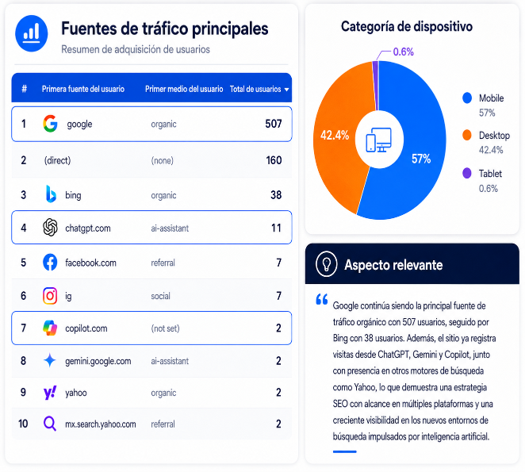
Google Search Console indexing analysis
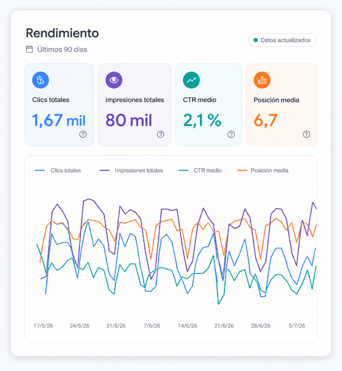
Organic clicks and search performance analysis
Website impressions and indexing data in Google
Use evidence to investigate technical issues

See how Google is processing your website

Crawlers show how a website responds during a test. Search Console adds Google's reported indexing status, selected URL inspection details and search performance data. I compare these sources to investigate discrepancies and follow the effects of technical changes.

Investigate reported discovery, crawl and indexing exclusions for relevant pages.
Monitor affected URLs after technical fixes and major releases.
Compare technical findings with changes in organic search visibility.
Technical SEO tools

Crawl, diagnose and validate your website

drupal
facebook
analytics
google
hostinger
href
hubpost
in
instagram
joomla
magento
mailshimp
in
php
php
Learn about technical optimization

Technical SEO guides and resources

Explore supporting articles on crawling, indexing, performance, site architecture and technical errors. These resources explain specific topics in more detail and complement the practical work covered by this service.

Technical SEO questions

What to know before a technical website review

Answers about audits, indexing, crawl controls, performance and ongoing maintenance.

What is technical SEO?

Technical SEO improves the foundations that help search engines discover, crawl, render and interpret website content. It covers areas such as indexing directives, canonical tags, internal links, URL structure, HTTP responses and performance. The aim is to remove relevant barriers and make the website more consistent and accessible.

What does a technical SEO audit include?

The agreed scope can include a site crawl, indexing checks, robots.txt and sitemap reviews, canonical analysis, redirects, internal linking and performance diagnostics. Useful deliverables explain the findings, affected URLs, priorities and validation steps. Implementation responsibilities should also be defined before work begins.

How is technical SEO different from on-page SEO?

Technical SEO focuses on how the website works and how its pages can be accessed and processed. On-page SEO focuses on elements such as titles, headings, copy and image descriptions. The two overlap in areas such as internal linking and page structure, so they should be considered together.

Why isn't Google indexing my page?

Possible reasons include a noindex directive, server errors, duplicate content, a different selected canonical or limited discovery through internal links. Google can also crawl an accessible page and choose not to index it. I review the URL's response, directives and Search Console information before recommending a fix; technical eligibility does not guarantee indexing.

Can robots.txt affect SEO?

Yes. Robots.txt controls permitted crawling for compliant bots, so incorrect rules may block important pages or resources. It is not a reliable way to prevent indexing: a blocked URL may still appear in search. For Google to process a page's noindex directive, crawling of that page must be allowed.

What does an XML sitemap do?

An XML sitemap helps search engines discover the URLs you consider important and can include information about genuine content updates. It should be maintained consistently with your intended canonical and indexable pages. Submitting a sitemap does not guarantee crawling or indexing.

What is a canonical tag?

A canonical tag indicates the preferred URL among duplicate or very similar pages. It is a signal rather than a guarantee that Google will select that URL. I check its consistency with redirects, sitemap entries and internal links, and investigate unexpected canonical selection where data is available.

Is website speed part of technical SEO?

Yes. Performance is part of the website's technical quality and user experience. A review may examine server responses, images, JavaScript, CSS and critical loading resources. Recommendations should reflect the actual bottlenecks and available user data, rather than a goal of achieving a perfect test score.

What are Core Web Vitals?

Core Web Vitals measure loading performance, responsiveness and visual stability through Largest Contentful Paint (LCP), Interaction to Next Paint (INP) and Cumulative Layout Shift (CLS). Real-user data helps assess the experience people receive, while diagnostic tools help investigate causes. Strong scores alone do not guarantee search rankings.

How often should technical SEO be reviewed?

The frequency depends on your website's size and rate of change. A stable business website may need periodic checks, while a large store or frequently updated application may benefit from ongoing monitoring. Migrations, redesigns and major releases are useful triggers for targeted technical validation.

Will fixing technical SEO issues guarantee better rankings?

No. Technical fixes can remove barriers and improve consistency or user experience, but rankings also depend on relevance, content, competition and other factors. The value of a fix should be assessed against the issue it addresses, then monitored after implementation.

Keep the technical foundations connected

Crawling, indexing, architecture and performance need a coordinated approach

The goal is a website that works reliably for users and gives search engines consistent, accessible content. I prioritize the issues affecting important pages and validate the changes against their intended purpose.

Review your website's technical foundations

Find out what is blocking your important pages

Send me your website address and describe what you are seeing, such as pages missing from search, traffic loss, slow loading or errors after a migration. We can discuss the most useful starting point and agree on a suitable technical review.

Discuss a technical SEO review